





Việt Nam is targeting economic growth of at least 10 per cent in 2027 while maintaining macroeconomic stability and controlling inflation, heard a plenary sitting on Friday as part of the 16th National Assembly’s second session.
Dr Tú Anh of VinUniversity discusses the importance of managing expectations, maintaining macroeconomic stability and using digital transformation to improve Việt Nam’s growth prospects.
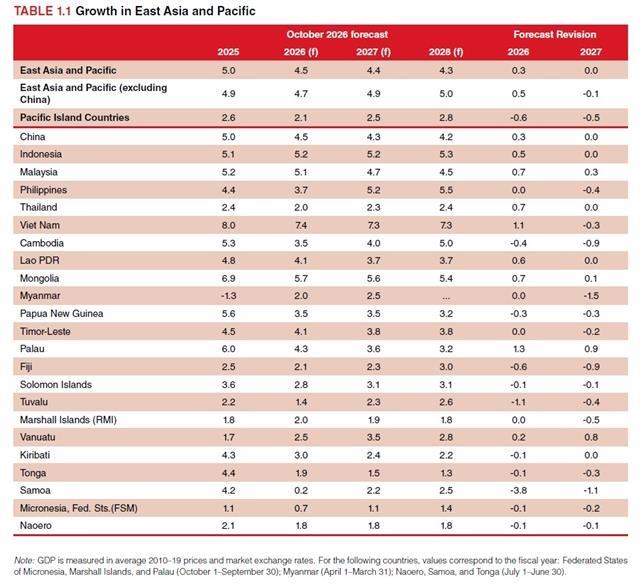
The World Bank has raised its 2026 growth forecast for Việt Nam to 7.4 per cent, citing strong manufacturing and exports of high-tech and AI-related goods, while rising AI adoption is creating new opportunities for productivity and growth.
Gross domestic product (GDP) rose 9.95 per cent in the third quarter over the same period last year, accelerating from growth of 8.15 per cent in the first quarter and 8.81 per cent in the second quarter.
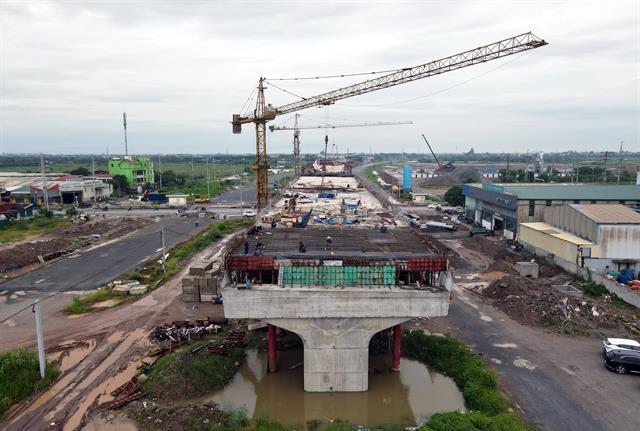
For the first nine months, the services sector grew 9.14 per cent, while industry and construction expanded 8.8 per cent. Construction alone rose 10.89 per cent.
The provincial authorities have launched a 90-day campaign to accelerate the implementation of socioeconomic targets, with a focus on public investment disbursement, site clearance and major projects.
S&P Global Ratings has raised its 2026 growth forecast for Việt Nam to 8 per cent, adding to a series of upgrades by international financial institutions amid strong exports and resilient domestic demand.
Việt Nam’s economy maintained strong momentum in eight months, but slower business re-entry, rising dissolutions and inflationary pressures highlight challenges as the Government pushes for double-digit growth.
PM Lê Minh Hưng warned of continued pressures on economic management, production and business activity, public investment disbursement, exports, financial markets and the livelihoods of parts of the population.
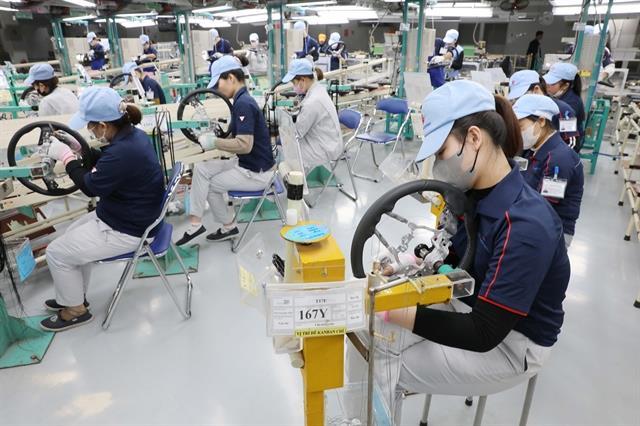
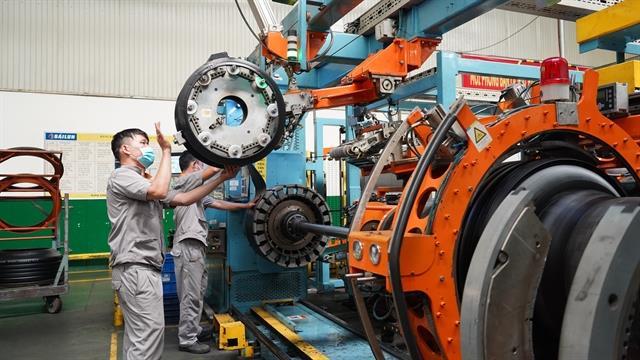
The combination of traditional tools and modern technologies is enabling many Vietnamese enterprises to make significant breakthroughs, helping build a modern productivity and quality ecosystem and driving a new growth model.
Việt Nam’s strong H1 sets a solid base for growth, but investment, consumption and external risks will determine how far that momentum carries into the second half of 2026.